Do Tree Stumps Attract Termites? Why Austin Homeowners Should Act Fast
Tree stumps can attract termites to your Austin property. Learn why decaying stumps are a termite magnet and how fast removal protects your home.
Jake Mitchell
ISA Certified Arborist & Stump Removal Specialist
You know how a single, overlooked detail can sometimes create a massive headache down the road.
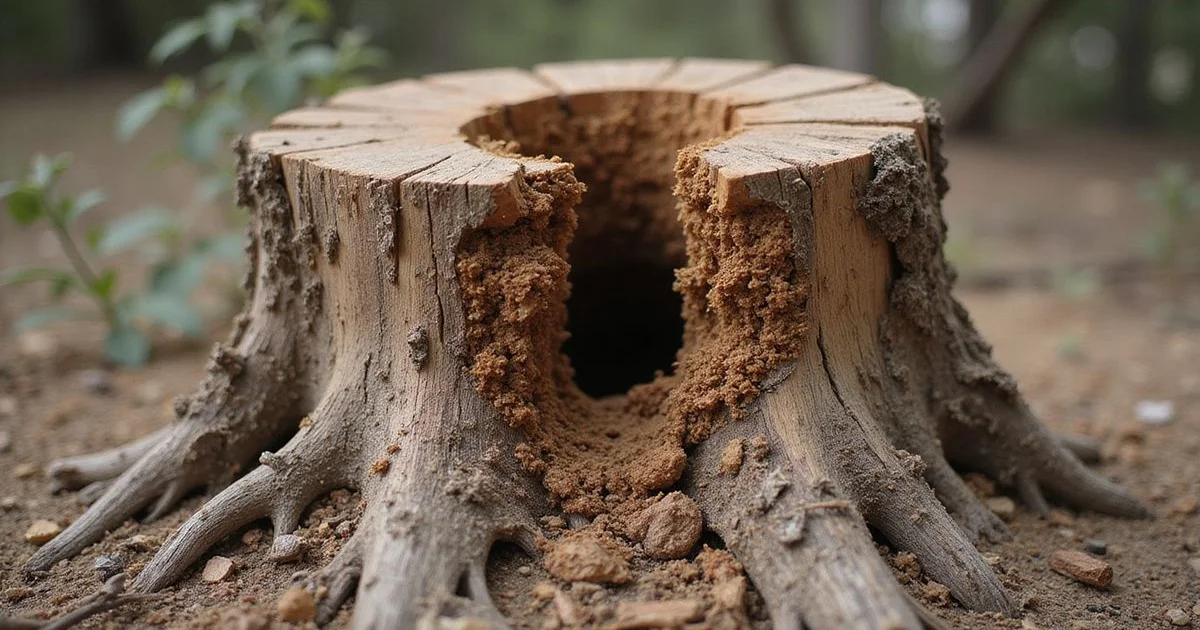
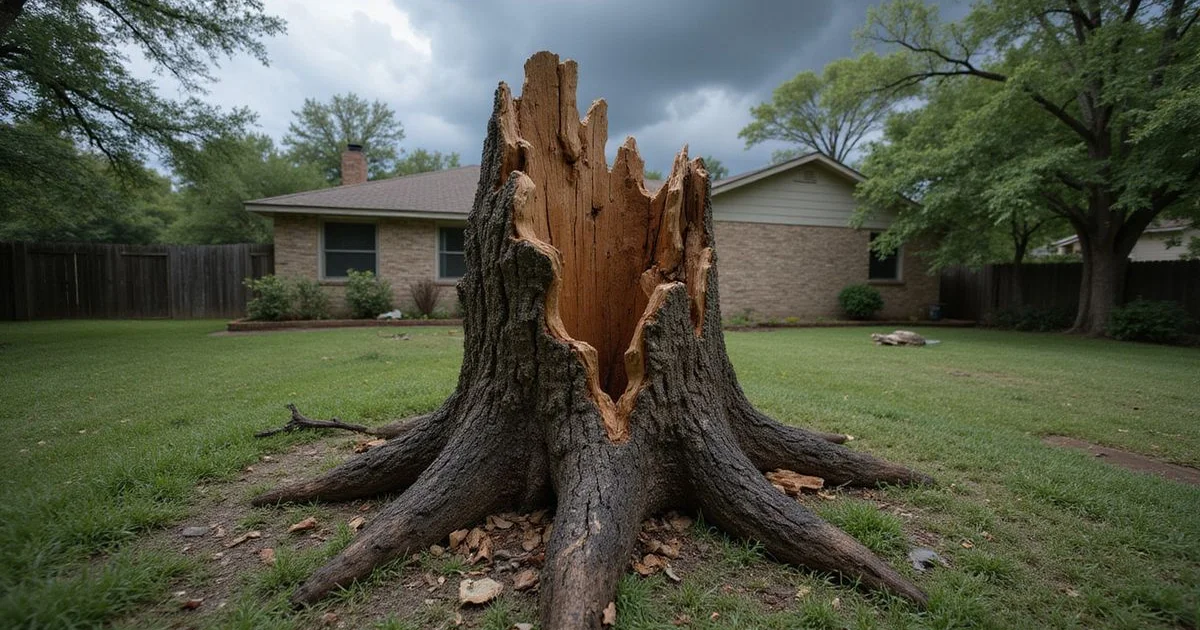
That old tree stump sitting in your Austin yard might look harmless. We see this specific issue catch property owners off guard every spring. Decaying wood acts as a beacon, quietly inviting one of the most destructive pests in Texas right to your doorstep.
According to a 2026 report from the National Pest Management Association, these insects cause an estimated $6.8 billion in property damage across the United States annually. The important distinction most people miss is that standard property insurance usually excludes this type of destruction. Our professional service team knows that a stump within 20 feet of your foundation dramatically increases your risk and may warrant emergency removal.
Let us review the data, explain what it is actually telling us, and then explore a few practical ways to respond.
Why Stumps Are a Termite Magnet
Termites need three things to thrive: cellulose (wood), moisture, and soil contact. A tree stump provides all three in abundance.
We often find that when a tree is cut down, the remaining stump begins to decay from the inside out. As the wood breaks down, it retains moisture like a sponge. This creates exactly the damp, cellulose-rich environment that subterranean termites are programmed to seek out.
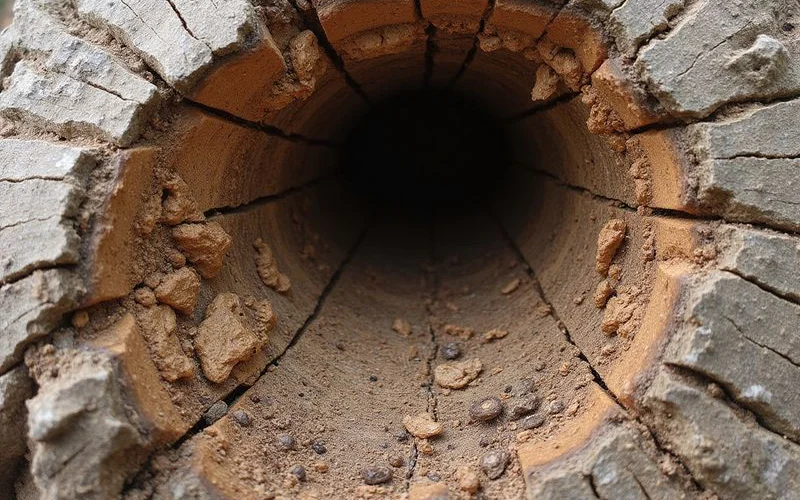
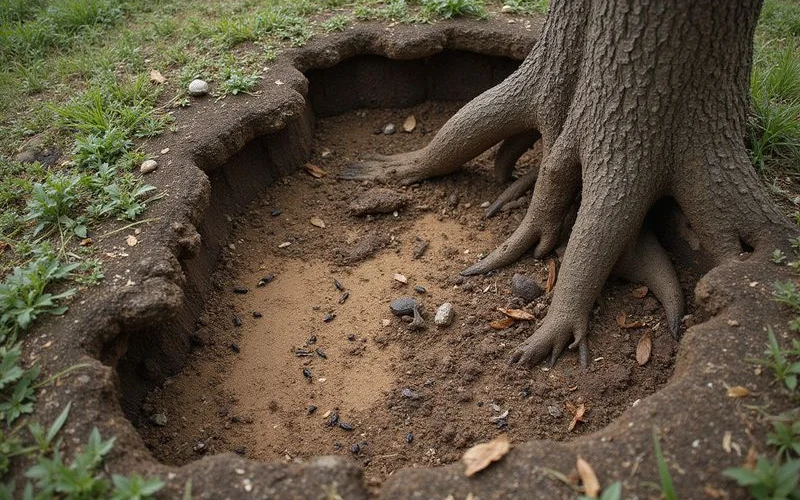
Our experts note that the stump’s root system provides a network of underground pathways. Termites use these rotting roots to travel and expand their colony beneath the surface. Complete tree root removal eliminates these underground pathways entirely.
We tell clients to look out for three main attractants:
- Constant Moisture: Rotting wood acts like a sponge during Texas rainstorms.
- Accessible Cellulose: The dead tree fibers offer a massive, unprotected food source.
- Subterranean Highways: Decaying root systems create pre-dug tunnels directly through the soil.
The larger the stump and the longer it has been sitting, the more attractive it becomes. A stump decaying for a year or more is significantly more likely to harbor activity than a freshly cut one. Fresh stumps can still attract these pests within months, especially during Austin’s warm, humid seasons.
Austin’s Subterranean Termite Problem
Central Texas is firmly in the high-risk zone for subterranean termites. Austin property owners are especially vulnerable due to the specific climate and soil conditions. The Eastern Subterranean termite is the most common native species in the Austin area.
We have learned that a single mature Eastern Subterranean colony can contain up to one million individual insects. These massive populations require constant food sources to survive. Austin’s warm temperatures allow these colonies to remain active for most of the year, unlike northern states where cold winters slow them down.
Heavy clay soils found across much of East Austin and South Austin retain moisture incredibly well. This moisture creates favorable conditions at the soil level.
The Impact of Local Terrain
Even the limestone terrain in West Austin does not deter these insects. They simply follow soil channels and root paths through the rocky ground. Formosan subterranean termites, an even more aggressive and invasive species, are also spreading throughout Texas.
Their presence makes proactive yard management essential.
According to local pest control data, nearly one in three Austin homes will experience a termite issue at some point.
Having a decaying stump on your property does not guarantee an infestation. It does, however, meaningfully increase the odds by giving colonies a reason to establish themselves close to your house. Our field observations confirm that properties with old stumps see much higher rates of termite activity.
How Close Is Too Close
The distance between a stump and your foundation is the single most important factor in assessing your risk level. Termites forage outward from their main nest in search of food.
We use a specific set of guidelines to evaluate property risk. Here is a general breakdown based on distance:
- Within 5 feet of your foundation: This is a high-risk situation. Termites colonizing a stump this close can easily transition to your structural wood through underground tunnels. Removal should be a top priority.
- 5 to 15 feet away: Moderate risk. Termites can and do travel these distances underground, especially following old root channels. The risk increases with time as the colony grows.
- 15 to 25 feet away: Lower but still present risk. Large, mature termite colonies can forage across these distances. If the stump is massive and has been decaying for several years, the threat remains very real.
- Beyond 25 feet: The stump itself is less likely to direct pests directly to your structure. It still serves as a colony establishment point on your property that could eventually spread closer.
If you have multiple stumps on your property, the cumulative effect increases your total risk. Learn about coordinating removal after severe weather in our storm damage stump removal guide. This remains true even if no single stump is right next to the building. Our team always recommends mapping out every dead tree on your lot.
Signs of Termite Activity in Stumps
Checking your yard for pest activity is something every Austin property owner should do at least twice a year. Termites eat wood from the inside out, meaning the exterior might look perfectly fine.
We recommend taking a closer look at the surface and the base of any remaining tree trunks.
Mud Tubes on the Stump Surface
Subterranean termites build pencil-width mud tubes on surfaces. These tubes maintain the dark, moist environment they need to survive while traveling between their colony and food sources. If you see brown, rusty mud tubes running up the side of a stump or across exposed roots, active insects are already present.
Soft, Hollow-Sounding Wood
You can perform a simple diagnostic test using basic hand tools.
We tell property owners to listen for a hollow sound by tapping the wood with the handle of a heavy flathead screwdriver. If areas of the wood sound hollow or the screwdriver pushes easily into the surface, insects have likely been feeding on the interior. Healthy wood, even on a dead tree, will feel solid and resist penetration.
Discarded Wings Near the Stump
Termite swarmers are reproductive adults that leave the nest to start new colonies. They shed their wings after mating flights, which typically happen in the spring following a warm rain shower.
Our technicians often spot these wings in the grass or caught in spiderwebs around the stump. Finding small piles of translucent wings near a stump indicates an active, mature colony nearby.
White, Ant-Like Insects in the Wood
If you break apart a section of soft wood and see small, pale insects, you are looking at worker termites. They are typically cream-colored, about 1/8 inch long, and completely avoid light. These workers will scatter quickly when exposed to the sun.
Stump Removal as Prevention
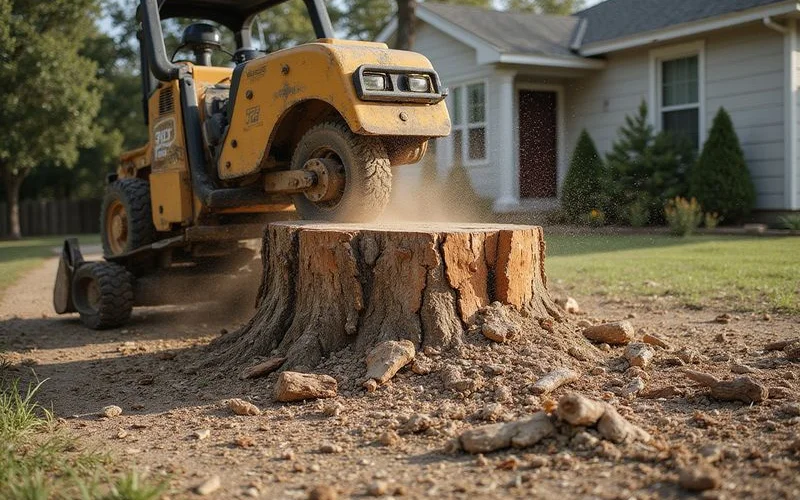
The most effective way to eliminate this specific attractant is to grind the wood out completely. Stump grinding removes the above-ground portion and the major root flare down to six to eight inches below grade. This process eliminates the primary food source and moisture reservoir that draws pests into your yard.
For yards that are already showing signs of infestation, our emergency stump removal service can address the situation quickly. We work to remove the rotting wood before the colony has a chance to spread to your home.
Our crew recommends having a pest control professional treat the soil immediately after grinding. Proper cleanup and regrading after the process helps seal the area against future pest entry.
Connecting Stump Removal with Pest Control
The smartest approach is to coordinate your landscaping cleanup with a formal inspection. Taking action in the right order ensures you do not simply push the pests from the yard into your house.
We suggest following a specific sequence for the best results. Here is the recommended timeline:
- Get a termite inspection: Have a professional check your home and property, including all dead wood. Many Austin pest control companies offer free initial consultations.
- Schedule stump grinding: Remove the food source completely. Let the pest control company know the exact date the grinding is happening.
- Apply termiticide treatment: Treat the area where the stump was located, targeting the soil and remaining root channels.
- Install monitoring stations: Place bait or monitoring stations around your building’s perimeter if your provider recommends them.
This coordinated approach eliminates the immediate attractant. It also addresses any existing colony activity in the surrounding soil at the exact same time.
We find that clients who follow these steps rarely see the pests return.
The Cost Comparison That Should Convince You
If the health of your trees and the appearance of your yard are not enough motivation, consider the financial math. A 2026 Harris Poll conducted for the NPMA revealed that only 45% of homeowners believe prevention is more cost-effective than repairing damage. The actual numbers tell a very different story.
We compiled recent pricing data to show the stark difference between proactive removal and reactive repair in Central Texas.
| Service Type | Estimated Cost in Austin, TX | Financial Impact |
|---|---|---|
| Professional Stump Grinding | $150 to $500 | Low, one-time preventive cost. |
| Standard Termite Treatment | $394 to $1,500 | Moderate cost to stop an active infestation. |
| Cosmetic Damage Repair | $600 to $2,000 | High cost for drywall, paint, and flooring fixes. |
| Structural Damage Repair | $3,000 to $10,000+ | Severe financial burden for beam and joist replacement. |
Removing a stump before it attracts a colony is one of the most cost-effective preventive measures an Austin property owner can take. It is not a question of whether you can afford to grind the wood down. It is a question of whether you can afford the massive repair bills later.
Do not let that old stump become a highway directly into your living room.
Contact us today for a free stump assessment, and we will help you eliminate the risk before it becomes a much more expensive problem.
Jake Mitchell
ISA Certified Arborist & Stump Removal Specialist
Jake Mitchell is an ISA Certified Arborist with 12 years of experience in Central Texas tree services. He specializes in stump grinding, root system management, and yard restoration for Austin-area homeowners.
Ready to Remove That Stump?
Get a free, no-obligation quote from a vetted Austin stump grinding professional today.