Root Removal Before Construction: What Austin Builders Need to Know
Essential guide to tree root removal before construction projects in Austin. Permits, process, and why thorough root removal prevents costly building problems.
Jake Mitchell
ISA Certified Arborist & Stump Removal Specialist
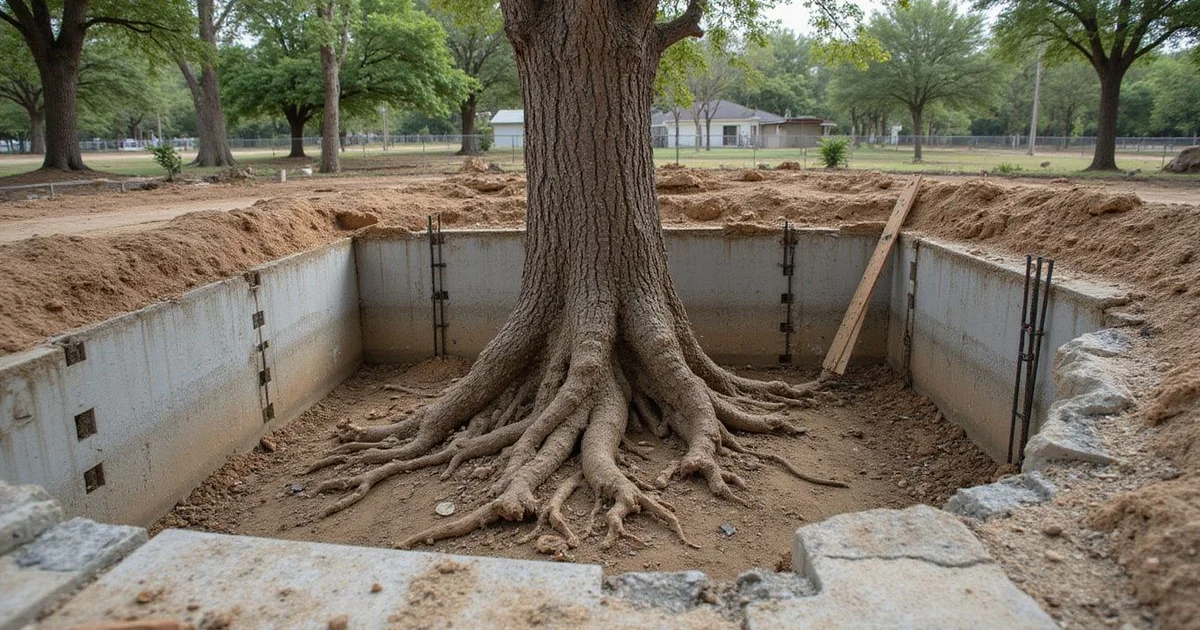
We see the same costly mistake happen on jobsites across Central Texas every single week. A project gets delayed because an excavation crew hits a massive, hidden root system. As a professional service team handling site preparation, we consider root removal before construction: what Austin builders need to know essential knowledge for keeping budgets intact.
Those leftover roots create serious structural risks and liability concerns that haunt homeowners and business owners for decades. We want to help you avoid these massive headaches and protect your property investment.
Let’s look at the specific soil conditions driving these risks, break down the city’s strict tree laws, and map out the exact removal process your property needs.
Root Removal Before Construction: What Austin Builders Need to Know
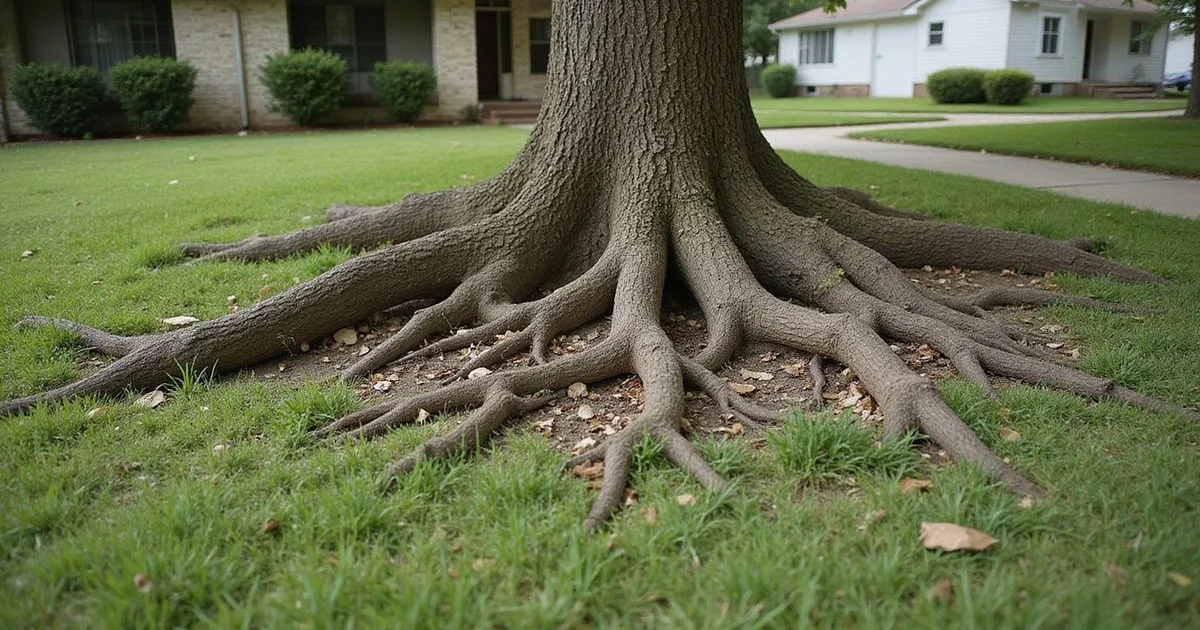
Leaving tree roots in the ground beneath or adjacent to a construction site creates several serious problems. We constantly warn clients that ignoring this step leads to inevitable foundation failure. The decay process introduces a chain reaction of structural issues.
Soil Voids from Decay
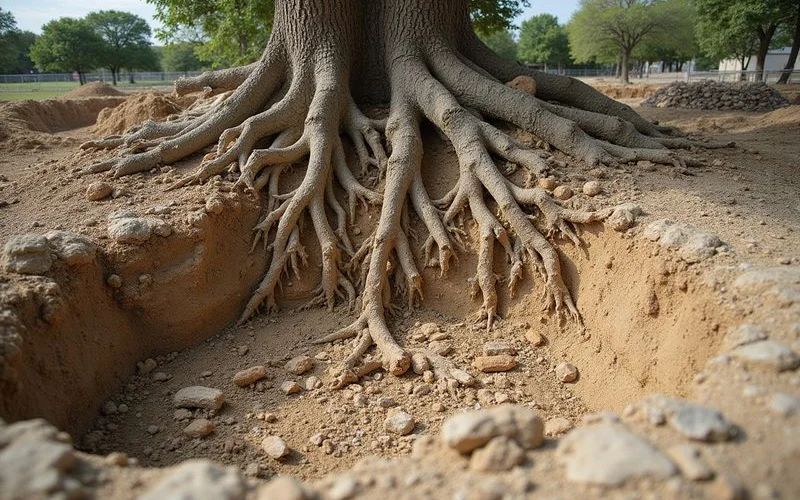
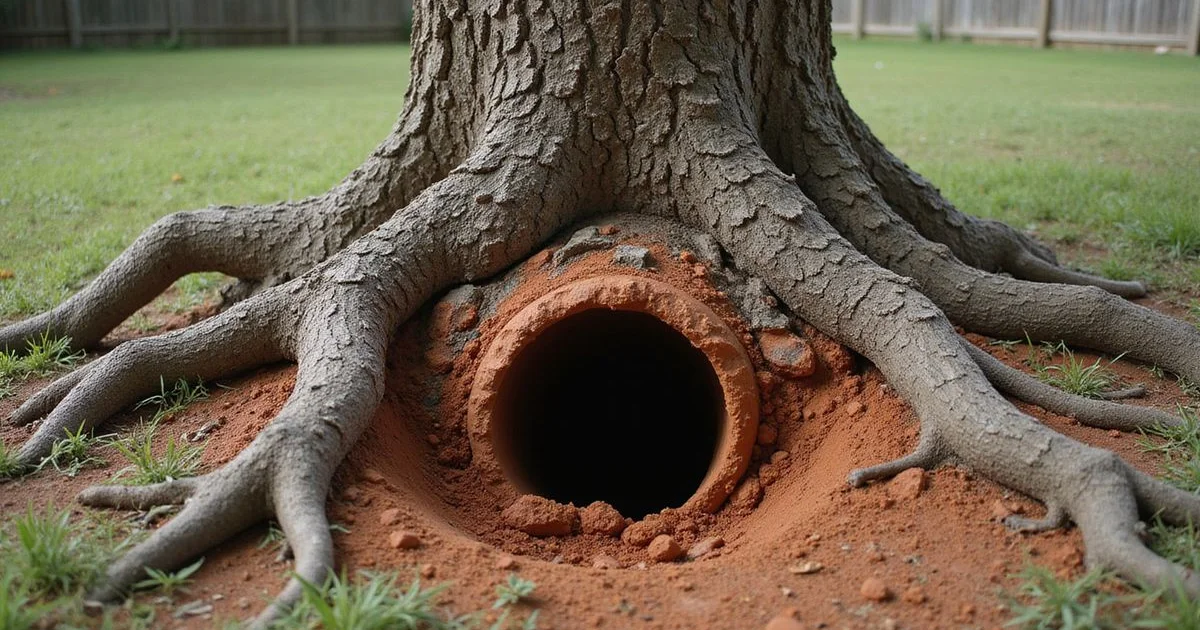
Buried roots take three to ten years to decompose, depending on the species and soil conditions. This process leaves empty void spaces directly beneath your foundation, slab, or hardscape features.
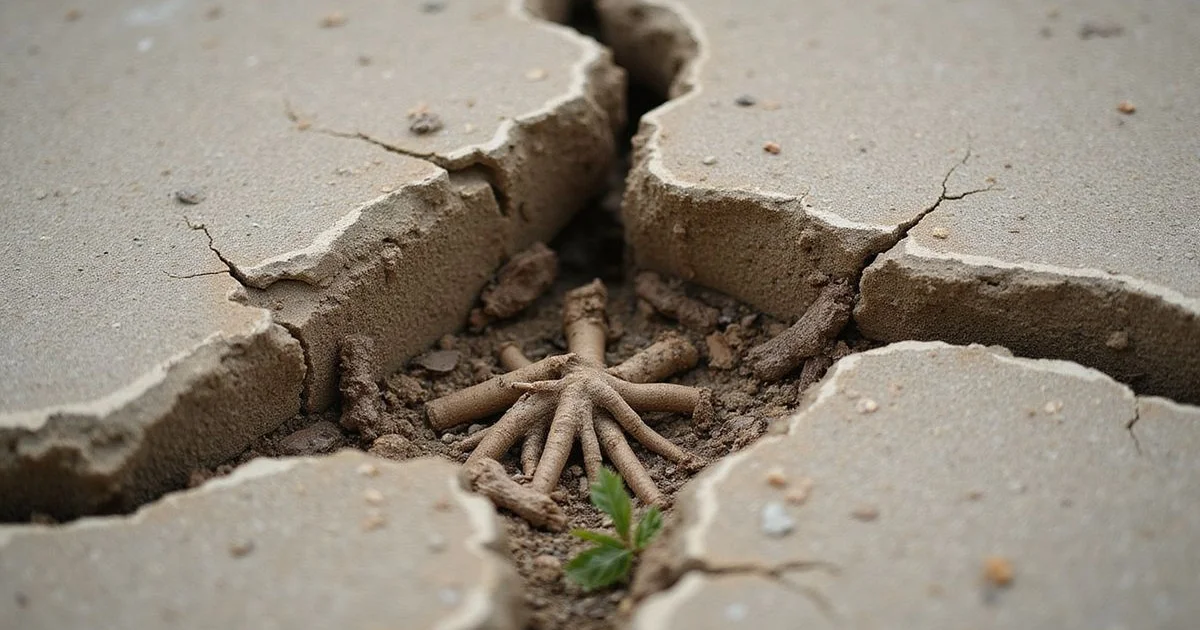
We frequently see six-inch roots decaying four feet down, creating a hollow channel of completely unsupported earth. The weight of your structure will eventually cause the concrete above that void to crack and settle.
Differential Moisture Conditions
Dead root channels completely change how water moves through your property. Decomposing paths become preferential flow channels, directing moisture unevenly under your building.
We have to be especially careful with Austin’s notorious Blackland Prairie soil, known locally as Taylor Black Clay. This expansive clay can shrink and swell up to 10% in volume depending on moisture levels, and uneven watering through old root channels forces this clay to heave violently.
Concrete Interference
Root matter mixed into backfill creates direct pathways for moisture intrusion. Decomposing wood generates organic acids that degrade concrete over time.
We also find that old roots create physical gaps between the concrete and soil. This specific structural interference leads to several predictable issues:
- Hidden water pooling against foundation walls.
- Accelerated rebar corrosion from trapped moisture.
- Uneven settling as surrounding earth washes into the voids.
Pest Pathways
Decaying wood underground attracts a massive number of wood-destroying insects. We consider leaving root systems beneath a new structure the equivalent of opening an underground buffet for pests.
Texas sits in a Zone 1 termite risk area, the highest risk level in the country. Read more about stumps attracting termites in Austin to understand the full pest risk. Subterranean termites, including the aggressive Formosan species, cause about $500 million in damage across Texas each year. These colonies feed 24 hours a day, and a hidden root system leads them straight into your home or business.
Austin’s Heritage Tree Ordinance: What You Need to Know
You must understand the city’s tree regulations before you touch a single root on your property. Austin enforces some of the strictest tree protection laws in Texas. We guide property owners through this permitting process daily to ensure full compliance.
Violating these rules carries massive financial penalties.
Protected Tree Classifications
The City of Austin protects trees based on specific species and trunk diameter.
- Heritage Trees: This includes any tree 24 inches or greater in diameter, measured at 4.5 feet above ground. Species like live oak, pecan, and American elm fall into this highly protected category.
- Protected Size Trees: Trees 19 inches or greater in diameter of any species on a developed lot require a removal permit.
- Construction Zone Trees: Any tree within your footprint or whose critical root zone overlaps the work area requires an arborist review.
Critical Root Zone Restrictions
The critical root zone, or CRZ, extends outward from the trunk at a ratio of one foot per inch of trunk diameter. A 30-inch live oak has a CRZ radius of 30 feet.
We often remind builders that trenching, grading, and even material storage are heavily restricted within this 30-foot circle. Damaging roots in this zone without an approved mitigation plan triggers immediate stop-work orders.
The Cost of Violations
Ignoring these regulations is a very expensive mistake. We have seen the city issue administrative fines ranging from $500 to $5,000 per tree for minor infractions.
Removing a heritage tree without a permit can result in maximum fines up to $100,000. You will also face mandatory mitigation costs, which often run $5,000 to $20,000 just to plant replacement trees at the city’s required ratio.
Permit Process Steps
If your project requires root disturbance within a protected tree’s CRZ, you must follow the official protocol.
- Submit a formal tree permit application to the Development Services Department.
- Include a site plan showing all trees, species, sizes, and CRZ boundaries.
- Provide a certified arborist report if heritage trees are involved.
- Develop an approved mitigation plan, which may include paying into the city tree fund.
- Allow two to four weeks for standard permit processing.
We always advise clients to start this permit process on day one. Permit delays stand out as a top scheduling bottleneck for local construction projects.
Root Removal Depth Requirements
Different construction types demand specific root clearing depths to guarantee long-term stability. We follow strict engineering guidelines based on the structure you plan to build.
Standard stump grinding alone may not reach the depths required for construction sites. Shallow removal might save money today, but it guarantees structural failure tomorrow.
| Construction Type | Minimum Depth Requirement | Lateral Clearing Rule |
|---|---|---|
| Slab-on-Grade Foundation | 18 to 24 inches below slab bottom | 5 feet beyond footprint |
| Pier and Beam Foundation | 12 to 18 inches below grade | 3 feet around each pier |
| Swimming Pools | 24 to 36 inches below pool bottom | 8 to 10 feet beyond shell |
| Driveways and Hardscape | 12 to 18 inches below finished grade | Immediate footprint |
Why Depth Matters for Slabs and Pools
Slab foundations distribute loads across the entire footprint, meaning decay anywhere beneath the slab causes immediate settlement. Pools require even deeper removal because the rigid shell is completely unforgiving. Even minor root decay causes pool shells to crack, requiring highly expensive structural repairs.
Pier and Beam Considerations
Pier foundations concentrate heavy loads on specific points in the ground. We make sure crews clear all roots near these points to the full pier depth. If roots decay near a support column, that individual pier settles and creates severe sloping floors inside the building.
Coordinating with Builders and Other Trades
Proper site clearing never happens in a vacuum. We coordinate closely with surveyors, builders, and the city to avoid dangerous conflicts. Rushing the machinery onto a site without preparation is a recipe for disaster.
Essential Pre-Clearing Steps
You need to complete three critical steps before a single machine starts digging.
- Finalize the Survey: Property boundaries and the building pad must be staked so crews know exactly where to operate.
- Secure the Permit: Never start work without the physical tree permit in hand to avoid city shutdowns.
- Review the Grading Plan: Final grade elevations dictate exactly how deep the extraction team needs to dig.
Utility Conflicts and Austin 811
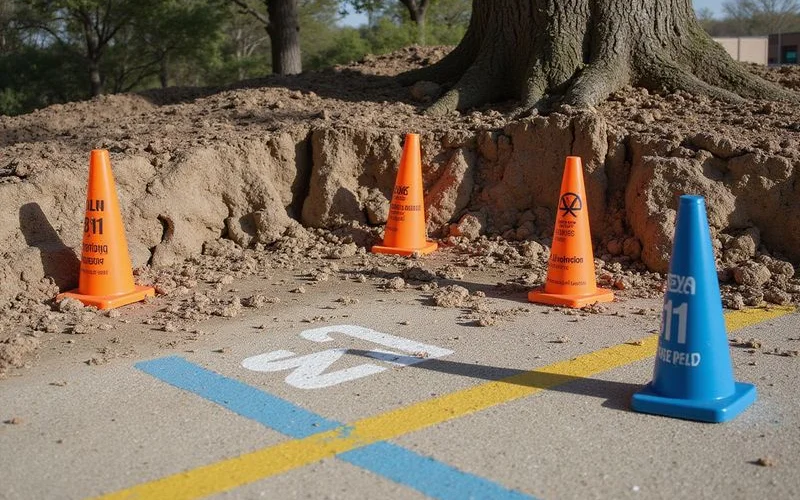
Calling Austin 811 before digging is a strict requirement under Texas law. The service marks all underground utilities for free, typically responding within two to three business days.
We frequently encounter roots completely intertwined with aging utility lines in older Central Texas neighborhoods. For example, mature cedar roots love to wrap tightly around old clay sewer pipes. Plumbers often charge $1,500 to $6,000 to tunnel under a slab and fix PVC or cast iron lines damaged by heavy soil and root movement.
Post-Removal Soil Testing
You must perform a geotechnical soil test after the site is completely cleared. We stress this step because pulling out a massive root system fundamentally changes soil compaction and moisture retention.
A mature live oak cycles water through the ground for a century, and removing it drastically alters how the soil behaves. A post-removal soil test usually costs $1,500 to $3,000 in the Austin market. This investment ensures your foundation engineer designs the slab for the actual, current site conditions rather than outdated assumptions.
The Full Site Clearing Process
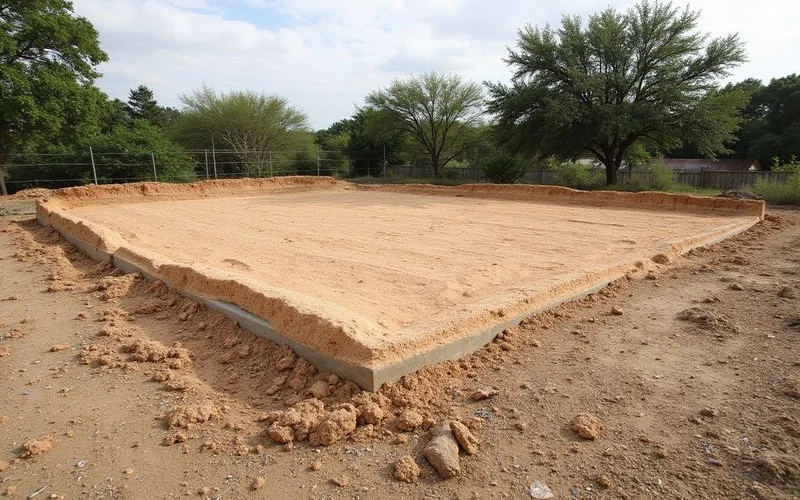
For construction projects that involve complete yard clearing, the extraction process follows a very specific sequence. We utilize heavy machinery to ensure no organic material is left behind to rot.
Missing even a small section of the root system compromises the entire effort.
- Tree removal: Crews fell and extract all approved trees within the construction zone.
- Stump grinding: Operators use commercial stump grinding equipment to grind stumps 12 to 18 inches below grade.
- Root raking: An excavator with a rake attachment combs the soil to extract the remaining material across the pad.
- Selective root removal: Teams manually address roots extending from adjacent properties into the work zone.
- Backfill and compaction: The cleanup and backfill process fills voids with approved material and compacts it to engineering specs.
- Verification: A final inspection proves the work meets all required depths before concrete arrives.
Cost and Timeline Expectations
Homeowners and business owners need accurate budgets for this phase of site preparation. We track local pricing closely to give you realistic numbers for the 2026 construction season.
Costs vary based on tree size, access, and the depth of the root system.
Typical Austin Pricing
For a standard residential lot in Central Texas with three to five mature trees, expect these baseline figures:
- Root removal only (stumps already ground): $1,500 to $4,000
- Complete clearing (tree felling, stumps, and extraction): $5,000 to $15,000
- Heritage tree permit timeline: Add 2 to 6 weeks to your schedule
The Cost of Skipping Removal
Paying for proper clearing is incredibly cheap compared to the alternative. We review 2025 and 2026 market data showing that moderate foundation repairs in Austin average $6,815.
If decaying roots cause severe structural failure in an expansive clay zone, full-scale stabilization easily exceeds $15,000 to $30,000. That figure does not even include repairing the cosmetic damage to your drywall, flooring, and brick veneer.
Plan Early, Build Right
Getting this step right protects the future of your entire property. We know that Austin’s heavy clay soil, massive heritage trees, and strict laws make site preparation a serious challenge.
The core lesson regarding root removal before construction: what Austin builders need to know is that proper execution requires the right permits and highly experienced operators.
If you are preparing a site in Central Texas and need tree root removal as part of your development, reach out for a site assessment. We coordinate directly with builders, engineers, and city inspectors to make sure your foundation sits on solid ground.
Jake Mitchell
ISA Certified Arborist & Stump Removal Specialist
Jake Mitchell is an ISA Certified Arborist with 12 years of experience in Central Texas tree services. He specializes in stump grinding, root system management, and yard restoration for Austin-area homeowners.
Related Articles
Ready to Remove That Stump?
Get a free, no-obligation quote from a vetted Austin stump grinding professional today.