Complete Yard Clearing After Tree Removal: Austin Homeowner's Checklist
Your complete checklist for yard clearing after tree removal in Austin. From stump grinding to debris hauling and site preparation for new landscaping.
Jake Mitchell
ISA Certified Arborist & Stump Removal Specialist
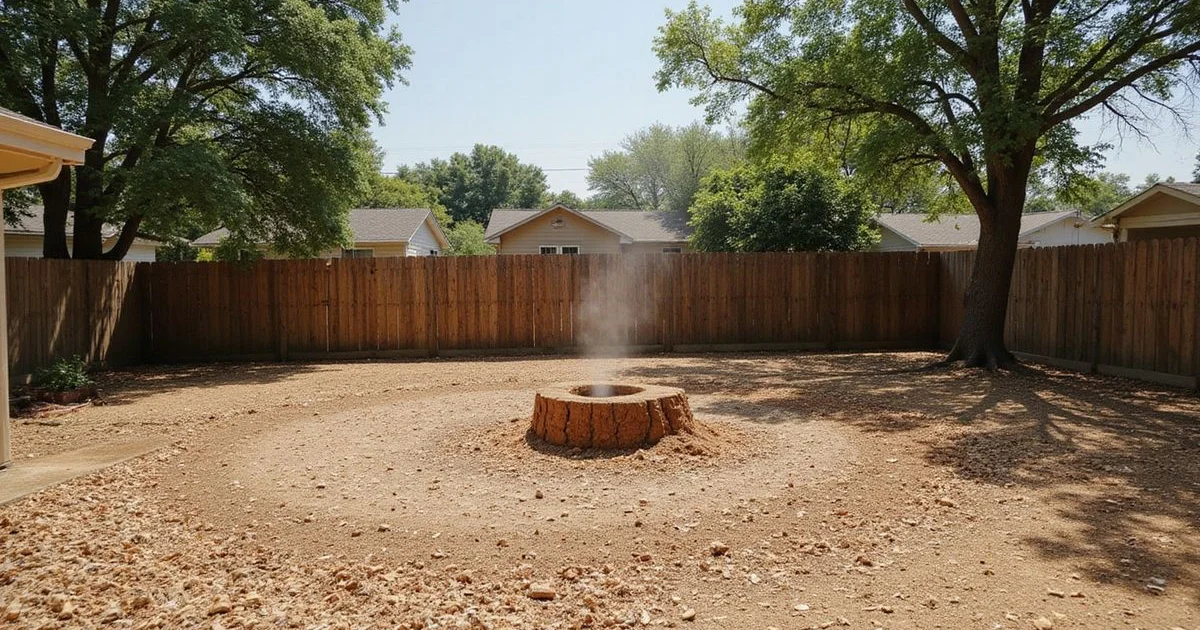
We know the relief you feel right after a massive tree finally comes down.
Most property owners assume the hard part is over. The truth is that the remaining stump and scattered debris demand an immediate strategy.
As a professional service team, we consistently see yards left in limbo because the cleanup phase was completely underestimated. This checklist covers complete yard clearing after tree removal. Every Austin homeowner must follow these exact steps to restore their property safely and prep the ground for new growth.
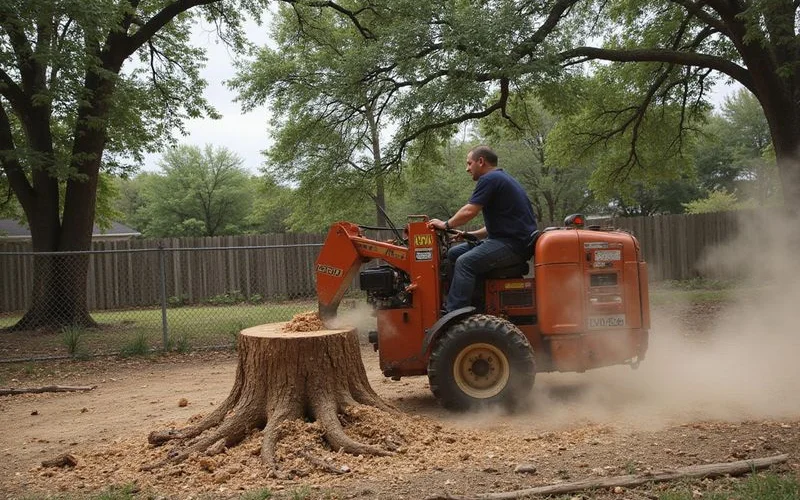
Step One: Start with Stump Grinding
We always recommend dealing with the stump before touching anything else. Leaving it in the ground creates pest attractions and tripping hazards. The remaining wood also makes every subsequent grading task significantly harder.
Why Stump Grinding Comes First
Our crews cannot properly grade or level a site while a root flare still occupies that space. Heavy equipment needs clear access to work the area without obstruction. Trying to work around a massive obstacle leads to uneven terrain and wasted time.
We ensure that professional stump grinding takes the wood down six to eight inches below grade. This standard depth is usually sufficient for basic lawn establishment. If you plan to plant a replacement tree in the exact same spot, ask the operator for a deeper grind of 12 to 18 inches.
What Happens to the Wood Chips
Our customers are frequently shocked by the massive volume of wood chips left behind. A single 24-inch stump easily generates enough material to fill a standard pickup truck bed. You have three primary options for managing this sudden pile of mulch:
- Use as mulch: Spread the chips around established trees and garden beds to suppress weeds.
- Backfill the hole: Pack the fresh chips into the cavity left by the grinder, and top it with soil.
- Haul them away: Pay your service provider an additional fee to remove the debris entirely.
Step Two: Debris Management
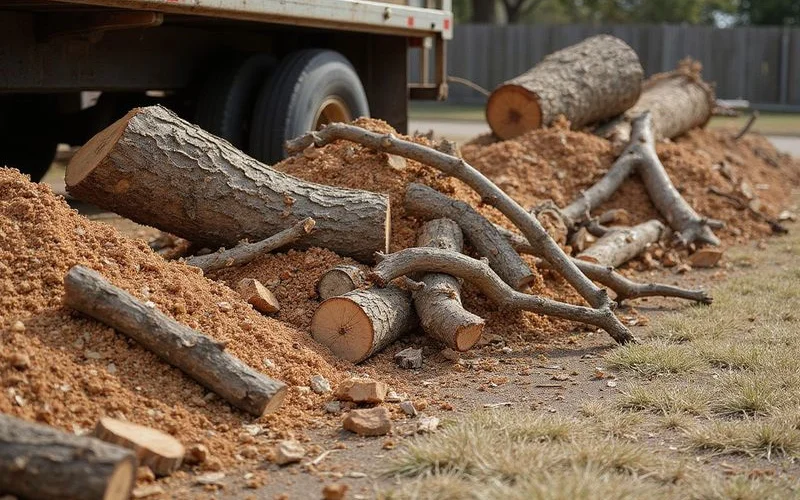
Our clearing process immediately shifts to sorting the branches and logs scattered across the lawn. After a large tree falls, you are typically left with a massive amount of green waste. Efficient management requires dividing this material into distinct, manageable categories.
Sort Your Debris into Categories
We suggest separating your wood waste into four specific piles to streamline disposal. Proper organization saves you both time and money during the hauling phase.
- Logs and large trunk sections: Live oak, pecan, and post oak make excellent firewood. Cedar burns incredibly hot, but it pops and sparks constantly.
- Branches and limbs: Small branches can be chipped on site or bundled for collection. The City of Austin provides bulk item collection that handles brush.
- Leaves and small debris: Rake up the remaining leaf litter and twigs. This material breaks down easily in a standard compost bin.
- Root fragments: Smaller surface roots can be cut with a reciprocating saw and pulled out by hand.
Hauling Options in Austin
Our local experience shows that knowing the city regulations prevents unexpected fines. Austin Resource Recovery updated their municipal rules for residential collections in 2025 and 2026. You must ensure your debris meets specific size limits for municipal pickup.
Small branches must be under five feet long and less than three inches thick to go in your weekly compost collection. Larger brush requires scheduling a bulk pickup, and these limbs must measure between five and 15 feet in length. We remind clients that massive trunks exceeding eight inches in diameter must be cut into three-foot sections.
| Disposal Method | Average 2026 Cost | Best Use Case |
|---|---|---|
| City of Austin Collection | Free (scheduled) | Small bundles and scheduled large limb pickups |
| 20-Yard Dumpster Rental | $312 to $475 per week | Massive cleanouts with heavy, mixed debris |
| Professional yard clearing service | Varies by volume | Hands-off removal of all logs, chips, and branches |
Step Three: Grading and Leveling
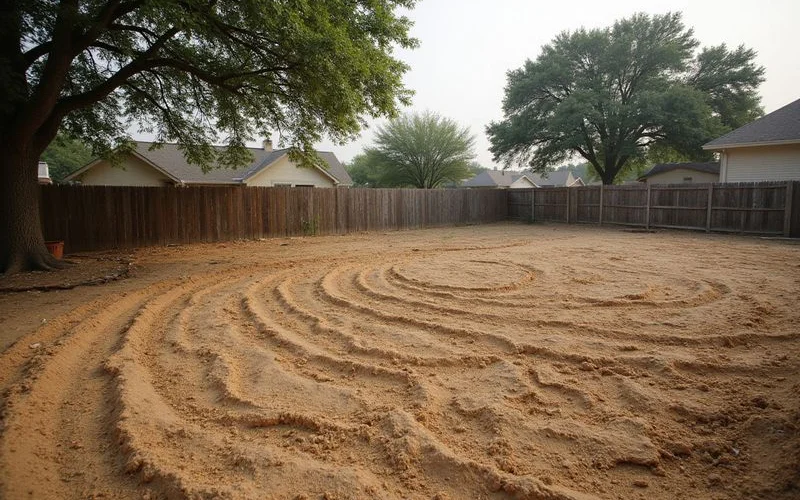
Our next priority is fixing the uneven terrain left behind by the removal process. Tree extraction inevitably creates divots and compacted areas across the lawn. You must correct these surface issues before establishing new turf or garden beds.
Fill the Stump Hole
We always overfill the grinding cavity by two to three inches to account for natural settling. Decaying roots create underground voids that cause the surface to sink months later. You should pack the bottom with wood chips and finish the top with quality loam. Water the fresh fill material thoroughly and let it rest for a full week.
Address Root Channels
Our technicians frequently mark the paths of old surface roots for extra attention. In some cases, professional tree root removal is needed to clear these channels completely. The ground above these decaying channels will drop as the organic matter breaks down. You might need to add supplementary topsoil to these specific spots periodically over the next year.
Grade for Drainage
We consider proper grading the most critical step for protecting your property. Professional cleanup and regrading ensures the cleared area slopes safely away from your home foundation and driveways. The standard recommendation requires a slope of one inch per foot for the first six feet away from structures. Poor drainage in Austin’s heavy clay soils quickly leads to standing water and costly foundation damage.
Step Four: Soil Preparation for Central Texas
Our landscaping specialists know that local soil needs serious help after a mature trunk departs. The old root zone is typically depleted of essential nutrients and heavily compacted. You must amend the earth properly, or your new plants will struggle to survive.
Test Your Soil
We highly recommend getting baseline data before buying random fertilizers. A routine soil analysis through the Texas A&M AgriLife Extension currently costs $12 in 2026. This simple test tells you exactly what minerals your specific yard lacks. Wood chips lower the soil pH as they decompose, making this baseline data crucial.
Amend for Austin’s Clay
Our favorite local amendment is Dillo Dirt, which costs around $45 per cubic yard. This premium compost is produced right here in town at the Hornsby Bend facility. You should work three to four inches of this rich compost into the top six inches of your native clay. Adding expanded shale alongside the compost helps break up the dense Blackland Prairie soil structure.
Nitrogen Supplement
We always apply a balanced 10-10-10 fertilizer if wood chips were mixed into the dirt. Decomposing wood temporarily steals nitrogen from the surrounding environment. This natural process can completely starve your fresh grass seed or young shrubs. A light application of granular fertilizer offsets this deficit and feeds your new landscaping.
Step Five: Choosing What to Plant Next
Our favorite part of the process is helping clients design their blank canvas. You now have a clean, graded, and nutrient-rich site ready for fresh vegetation. Central Texas weather dictates exactly when you should install these new additions.
New Tree Planting
We strongly prefer planting new trees during the fall months of October through December. This timing gives the root systems the entire cool season to grow strong before the brutal summer heat arrives. You have several fantastic native options that thrive in our specific climate.
- Texas Red Oak: This fast-growing shade provider offers stunning autumn colors.
- Monterrey Oak: A semi-evergreen variety that becomes incredibly drought-tolerant after its first year.
- Desert Willow: This smaller ornamental option produces beautiful pink flowers and requires minimal watering.
- Bur Oak: A massive, resilient shade tree that handles local alkaline soils perfectly.
Lawn Establishment
Our turf installation schedule depends entirely on the specific grass species you choose. Bermuda and Zoysia sod perform best when laid down between April and September. St. Augustine grass establishes much better during the milder temperatures of spring or early fall. If you plan to spread Bermuda seed, you must wait until soil temperatures are consistently warm from May through July.
Garden Beds or Hardscape
We often see clients use this newly opened space for custom stone patios or raised planters. Removing the canopy introduces full sunlight to an area that previously sat in deep shade. You must ensure every single root fragment is extracted before pouring concrete or laying pavers. If you are planning a build on the site, our guide on lot clearing for new construction in Austin covers the permitting process.
Budgeting for Complete Yard Clearing After Tree Removal
Our clients appreciate total transparency regarding the financial investment required. A comprehensive restoration project involves several distinct phases and specialized equipment. You can use this realistic 2026 budget framework to plan your property upgrade.
| Service Phase | Typical Cost Range |
|---|---|
| Stump grinding | $150 to $500 per stump |
| Debris hauling (dumpster or pros) | $300 to $600 |
| Grading and leveling | $300 to $800 |
| Soil testing and Dillo Dirt prep | $100 to $300 |
| Sod or replacement tree planting | $400 to $1,500 |
We estimate that a single large tree site requires $1,250 to $3,700 for complete restoration. Your final price depends heavily on the square footage involved and the premium materials chosen.
Our yard clearing services handle every frustrating step of this transition. You can rely on a single team to manage the entire transformation, from the initial stump grinding to the final soil testing. Get a free estimate today, and let us map out a specific plan for your exact property.
Jake Mitchell
ISA Certified Arborist & Stump Removal Specialist
Jake Mitchell is an ISA Certified Arborist with 12 years of experience in Central Texas tree services. He specializes in stump grinding, root system management, and yard restoration for Austin-area homeowners.
Ready to Remove That Stump?
Get a free, no-obligation quote from a vetted Austin stump grinding professional today.